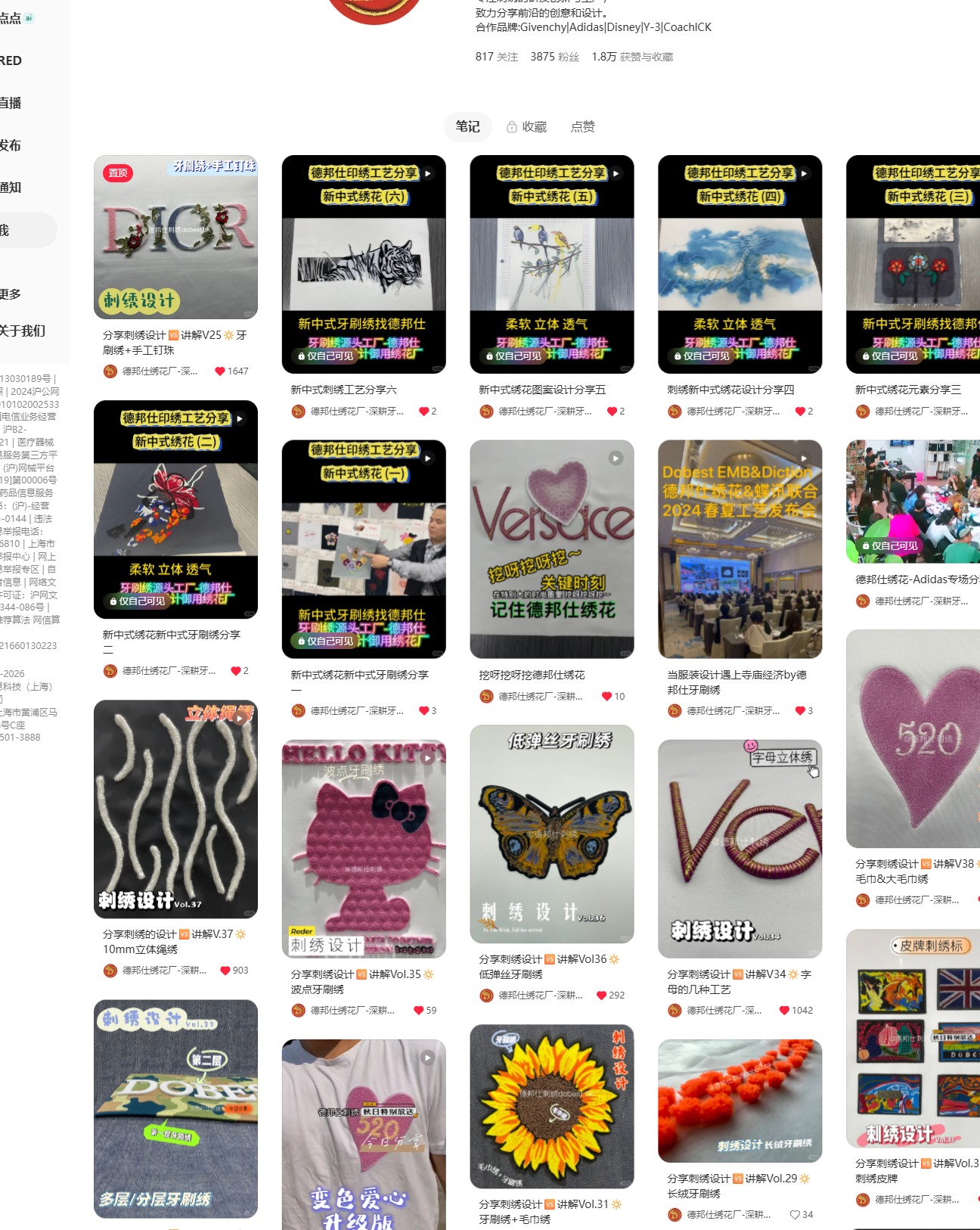
If you’re sourcing custom embroidered patches for your brand, you’ve probably seen both flat embroidery and toothbrush embroidery. They look similar at first glance — but the difference in quality, texture, and customer perception is massive.
What Is Toothbrush Embroidery?
Toothbrush embroidery (also called 3D embroidery or raised embroidery) is a specialized technique where threads stand upright — like toothbrush bristles — creating a plush, velvet-like surface. The result is a patch with genuine depth and a premium soft-touch feel.
At Debangshi, we’ve been perfecting this craft since 2013. It requires precise tension control, specialized needles, and years of experience — which is why 99% of embroidery factories struggle with consistent quality.
Flat Embroidery: The Standard Choice
Flat embroidery lays threads flat against the backing fabric. It’s the most common embroidery technique and works well for simple logos and text. However, it lacks the dimensionality and tactile quality that premium brands seek.
Key Differences at a Glance
| Feature | Toothbrush Embroidery | Flat Embroidery |
|---|---|---|
| Texture | 3D velvet, plush | Flat, smooth |
| Visual Impact | High — catches light | Standard |
| Softness | Premium hand-feel | Stiff, rough |
| Durability | Excellent (QC tested) | Good |
| Cost | Moderate premium | Lower |
| Lead Time | 3-5 days (sample) | 2-4 days |
When Should You Choose Toothbrush Embroidery?
- Premium brand positioning — your logo deserves to stand out
- Fashion and apparel brands where texture matters
- Corporate and luxury giveaways that need a “wow” factor
- When you want customers to remember your brand by touch
Why Most Factories Can’t Do It Right
Toothbrush embroidery demands precise machine calibration, specialized yarn selection, and experienced operators. A poorly executed toothbrush embroidery patch will have uneven pile height, loose threads, or patchy coverage — defeating its entire purpose.
At Debangshi, every order goes through our 5-step QC: material inspection, mid-production check, final inspection, wash test, and color fastness testing. We’ve been doing this for 12+ years — we know what “good” looks like.