Development Strategy
Focused on R&D innovation and custom production of premium embroidery
English
Manufacturer
 You are here: Home > Manufacturer
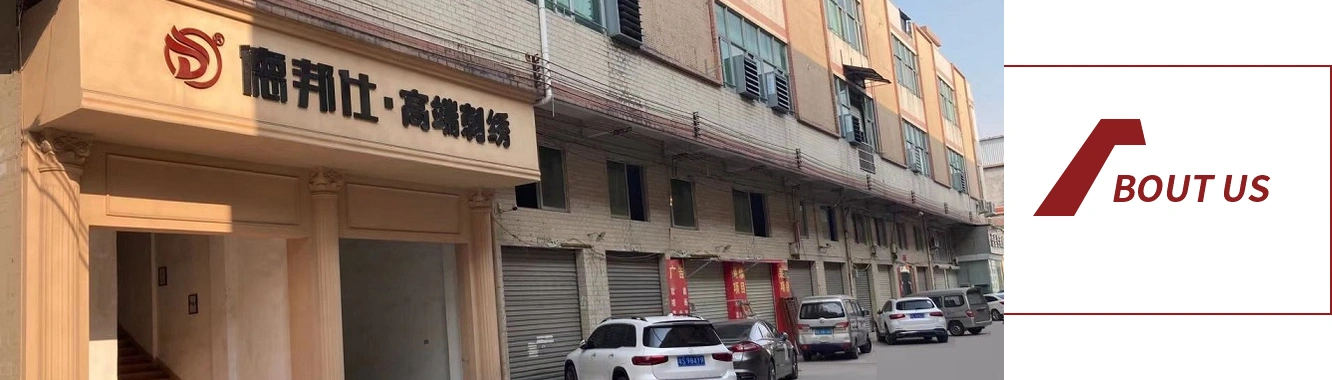
Factory Tour
30+units
Special Embroidery Machines3000㎡
Modern Factory1.5M+pcs
Annual Capacity13yrs+
Industry ExperienceService Area:Dongguan, Guangzhou, Shenzhen, Foshan, Zhongshan, Zhuhai, Huizhou, Shunde and Panyu across the Pearl River Delta, with on-site liaison, fast sampling and sample delivery; clients outside the region and overseas can send samples by courier and get them returned
We are a Toothbrush & Chenille Embroidery Manufacturer based in Humen, Dongguan, China. That sentence is the whole point of this page: if you are qualifying suppliers for cut-pile or loop-pile embroidery, the first question is not price, it is whether the company you are talking to owns machines and runs its own production, or simply passes your artwork to somebody else's factory floor.
A trading company can quote faster than a factory, because a trading company has no production schedule to check. That speed is not free. It usually means the technical questions — pile height against minimum detail, base fabric behaviour, how the root is locked at the back — get relayed rather than answered, and the sample you approve may not be made on the same equipment as the bulk order.
Our position is straightforward. We cut, stitch and finish in our own plant. The person who answers your technical question is in the same building as the machines. When a base fabric misbehaves during sampling, we adjust the backing or the stitch file ourselves instead of forwarding a complaint.
This matters most in exactly the techniques this page is about. Cut pile and loop pile both depend on physical structure, not on a colour specification, so the sample is the real specification. A supplier who cannot iterate on a sample quickly is a supplier who cannot solve a pile problem.
If you want the technical background before the commercial conversation, start with the tuft stitch embroidery guide, which explains why the pile stands up and where the common naming confusions come from.
| Item | Figure |
|---|---|
| Founded | 2013, in Dongguan |
| Plant area | 3,000 m² |
| Computerized embroidery machines | 30+, of which 15 are dedicated to toothbrush embroidery |
| Standard annual capacity | 1.5 million pieces |
| Peak output | 20,000 pieces per day on full day and night shifts — subject to evaluation |
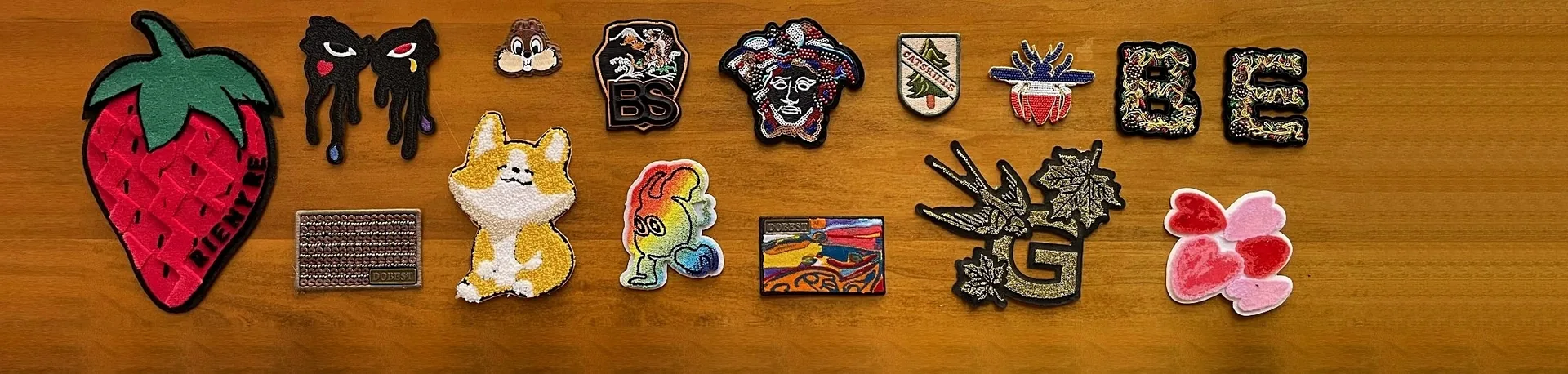
| Core techniques | Toothbrush (cut pile), chenille (loop pile), backing-free embroidery, and combined techniques |
| Minimum order | 300 pieces; smaller runs evaluated case by case |
The peak figure deserves a note, because peak numbers are the easiest thing in this industry to misread. Twenty thousand pieces per day is what the floor can reach when day and night shifts are both running, and it is subject to evaluation against your specific design, pile height, base fabric and thread colours. It is not a promise that any order will be scheduled at that rate, and the standard annual capacity is the more useful figure for planning a season.
Fifteen machines dedicated to toothbrush embroidery is the number that matters for capacity in this specific technique. General-purpose embroidery capacity is widely available; cut-pile capacity at consistent quality is not.
| Field | Detail |
|---|---|
| Company name | Dongguan Dobest Industrial Co., Ltd. |
| Founded | 2013 |
| Unified Social Credit Code | 91441900076690255J |
| Plant address | 2/F, Bldg E, Jinmao Xincheng, No.7 Jiedong South Rd, Xiaojiejiao, Humen, Dongguan, Guangdong, China |
| Telephone / WeChat | +86 13712297700 |
| mclau@dobest.hk | |
| Business scope | Embroidery development and processing, plus import and export since November 2020 |
Humen is one of the denser apparel and accessories clusters in the Pearl River Delta, which is why a Dongguan-based manufacturer can usually reach sampling materials, base fabrics and trims within the same working day. In practice that shortens the loop between "we need to try a different fabric" and "the revised sample is on its way".
We are a China-based manufacturer, shipping to USA and worldwide. We do not operate a production facility in the United States, and we do not describe ourselves as a local manufacturer in any market we serve — the plant is in Dongguan, and orders for North America, Europe and the rest of the world ship from there.
For company background, plant detail and the range of work, see About Us and our toothbrush embroidery and chenille embroidery ranges.
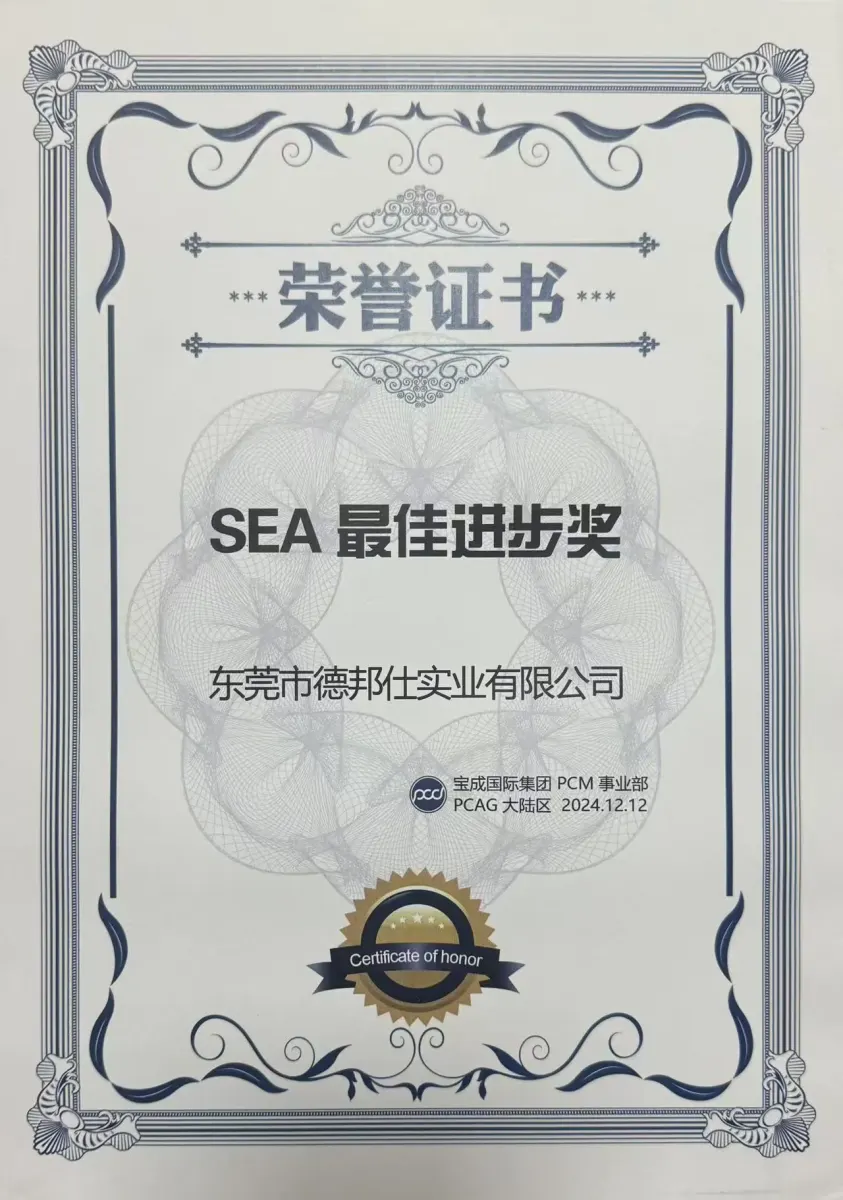
This plant has passed the adidas SEA (Social and Environmental Affairs) audit and the Disney ILS (International Labor Standards) audit. These are third-party factory audits against the brand owners' supplier standards; passing an audit does not indicate a current customer relationship or brand endorsement.
To describe the position precisely: we have been audited and we have passed. We do not describe ourselves as certified under those programmes, and we do not hold the corresponding management-system certificates in our own name. Customers who need the audit reports for their own vendor onboarding can request them directly.
On materials, the position is equally specific. Our embroidery threads and raw and auxiliary materials are supplied with OEKO-TEX® Standard 100 ecological textile certification and SGS test reports provided by our material suppliers. Those certifications belong to the suppliers who hold them; we pass the documentation through and can confirm which material they cover. They are not our own accreditation, and we do not present them as such.
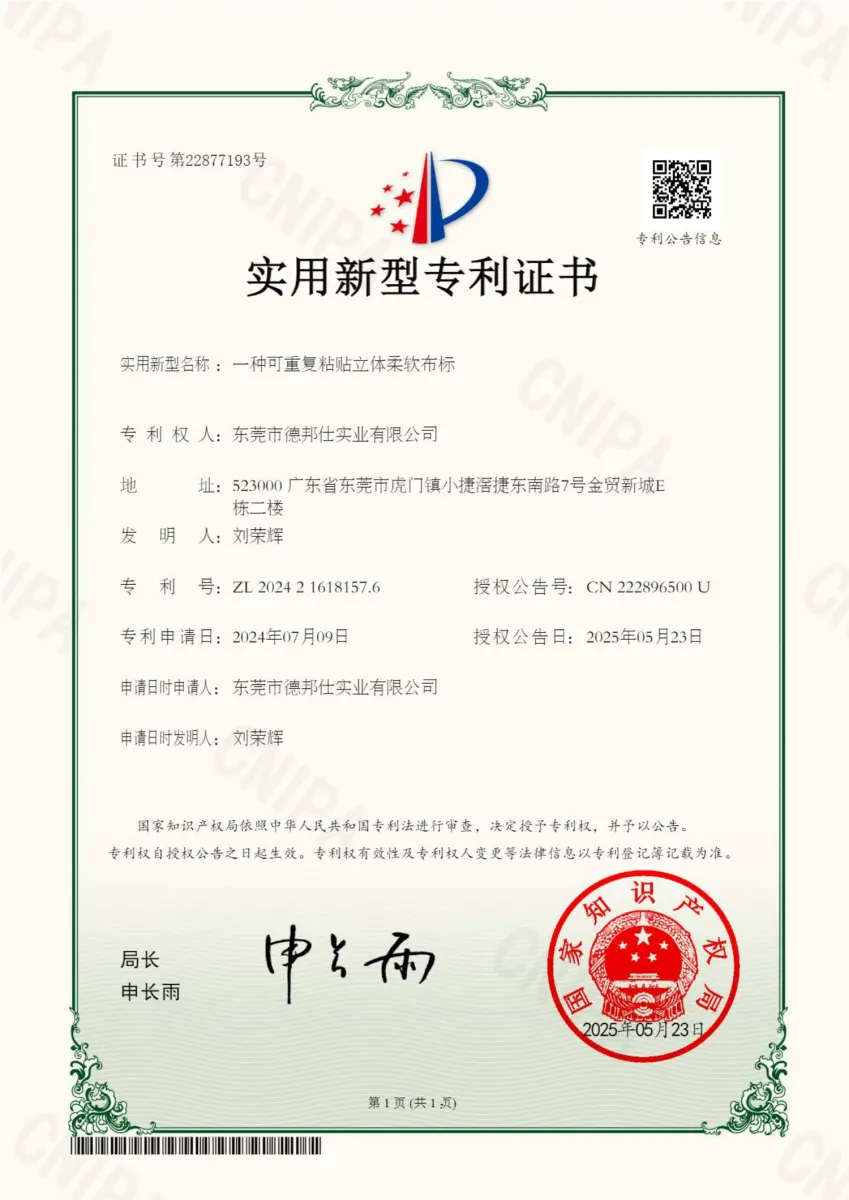
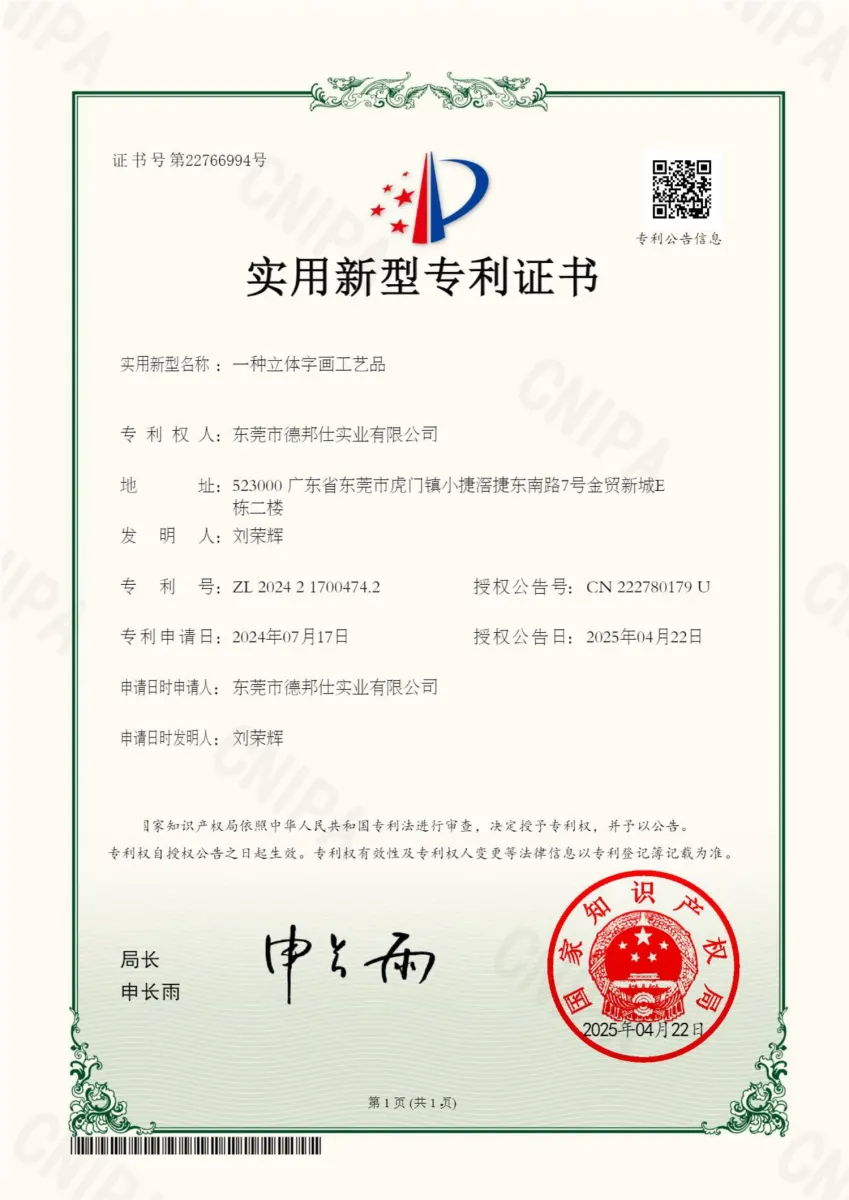
We hold two utility model patents (CN222780179U and CN222896500U) and six registered trademarks, have held A-grade taxpayer status for four consecutive years (2021–2024), and can issue 13% VAT special invoices.
The commercial terms are deliberately short, because most of the qualification work happens on the sample rather than in the quotation.
Pile behaviour — whether the surface stays upright, how it feels after washing, whether fine detail holds — is decided by the combination of pile height, base fabric and root locking, not by a single parameter. That is why we ask for the actual fabric rather than a description of it.
Send artwork or a sample to contact us and we will come back with a sampling plan. If you are still choosing a construction, the tuft stitch embroidery guide covers pile structure and specifications, and the toothbrush embroidery guide covers the full terminology set.
Three Ways to Start a Custom Order
You do not need a ready DST or EMB digitizing file to place an order. We work from whatever you have, in three ways:
You provide: AI / EPS / PDF / CDR vector files, or high-resolution PNG / JPG artwork, with dimensions (cm or inches) and Pantone codes.
We deliver: in-house digitizing and stitch planning, with physical strike-off samples shipped in 24–48 hours.
You provide: a reference garment or an old patch by courier, or macro photos taken next to a ruler.
We deliver: 1:1 analysis of stitch density, ground fabric, pile or foam height and thread shade — with the option to upgrade to backing-free skin-friendly embroidery or a combined specialty technique.
You provide: reference images, target fabric (e.g. 380 gsm loopback terry, fleece, oxford) and the hand-feel you want.
We deliver: a free feasibility review with recommended technique combinations, plus up to 3 simple samples at no sampling charge.
Corporate Culture
Development Strategy
Our Mission
Our Vision
Core Values
Certifications
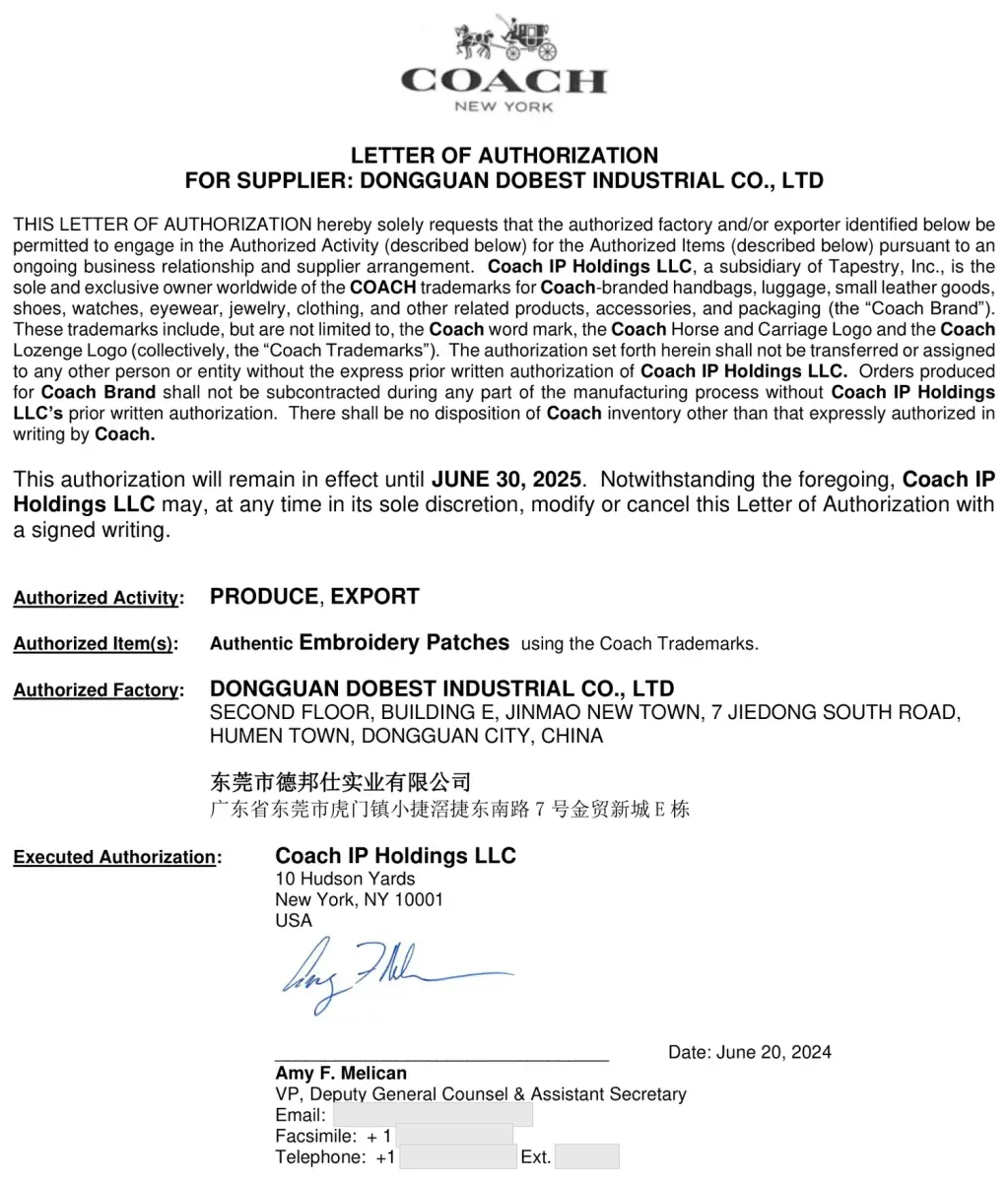
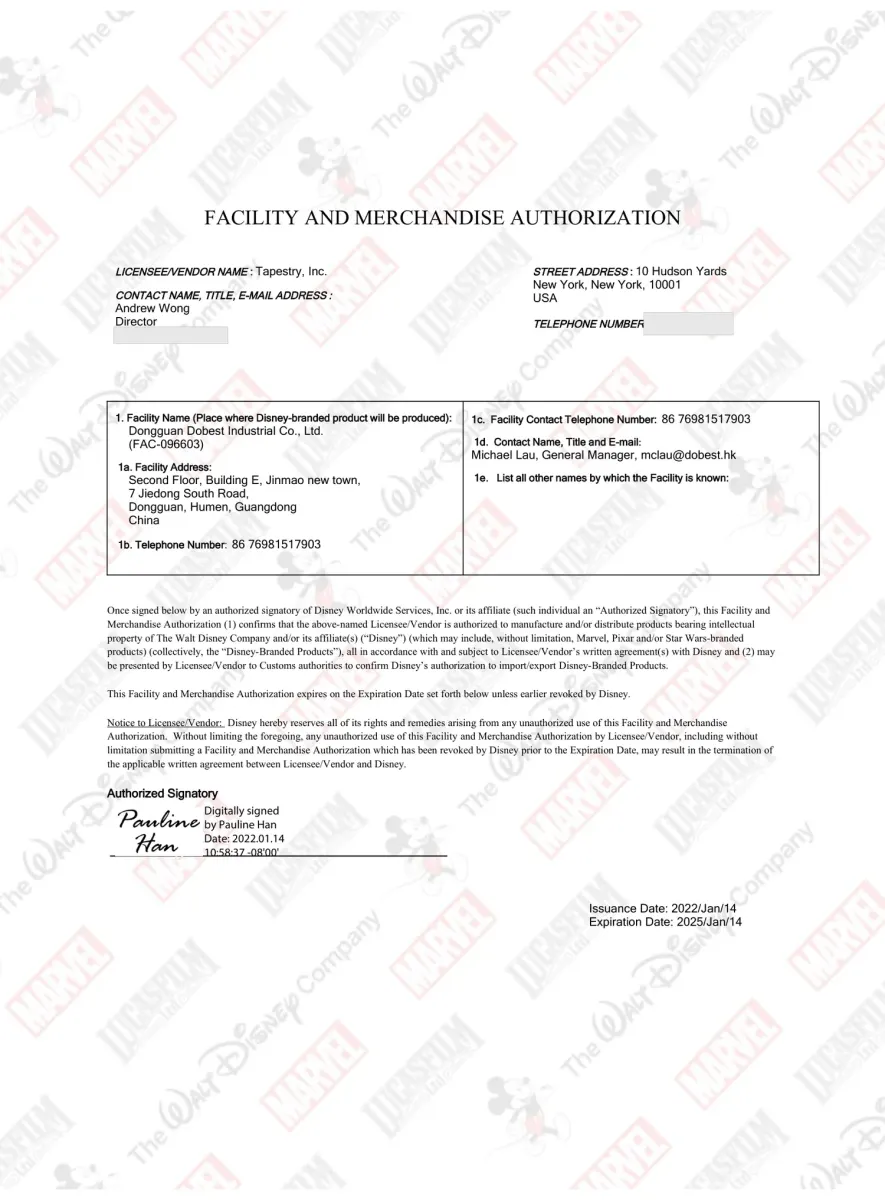
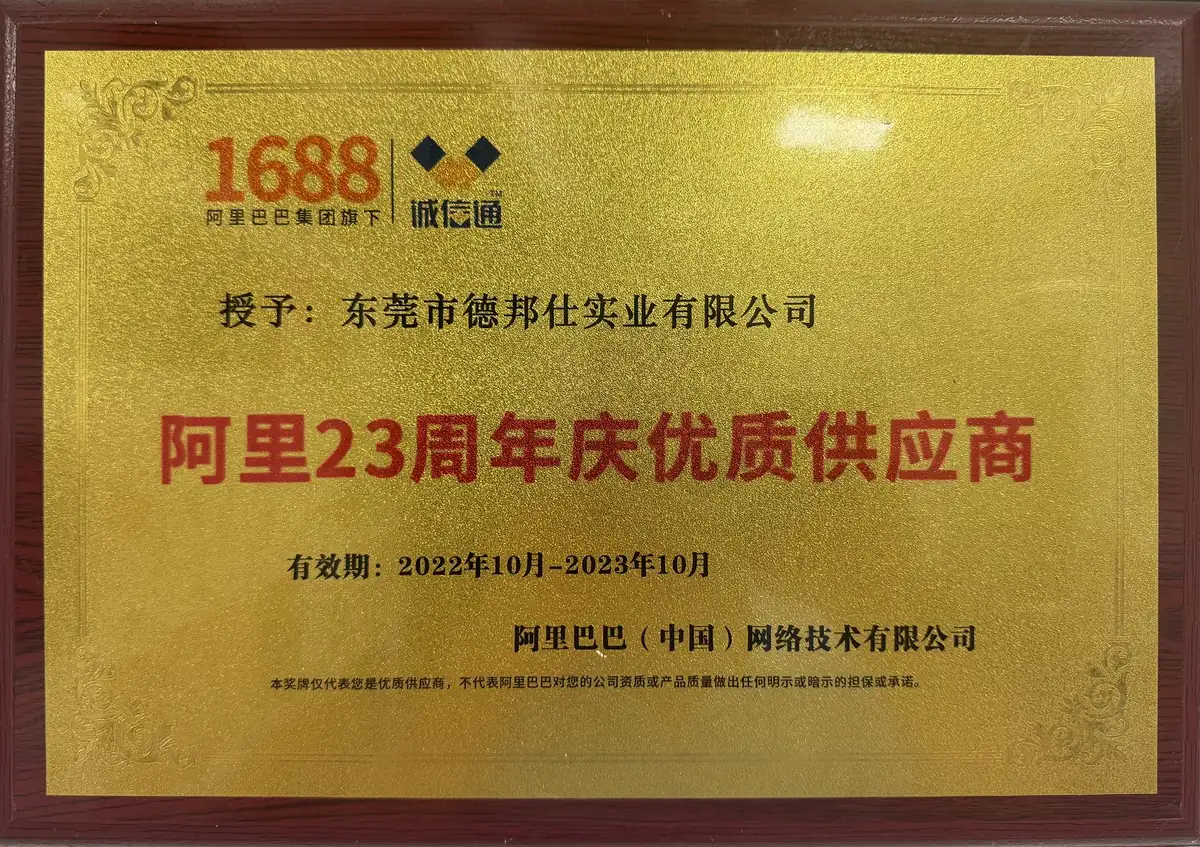
The patents and customer authorizations above illustrate our R&D capability and historical manufacturing credentials. The two customer authorizations are historical documents with validity dates shown; they only indicate past production experience and do not represent any current customer relationship or endorsement.
Quality Control & Compliance
| Dimension | Dobest standard and evidence |
|---|---|
| Audits & brand programs | Passed adidas SEA and Disney ILS audits; production track record for COACH, Disney and other brands. |
| Patents | 2 utility model patents: CN222896500U (reusable soft 3D patch), CN222780179U (3D embroidery artwork). |
| Thread & wash performance | Coats, Sakura and other high-tenacity embroidery threads; made to regular garment-wash processes — resists pilling and fraying after washing, subject to sample confirmation. |
| Pre-shipment QC | Piece-by-piece check for broken needles, loose threads and edge finishing; internal defect rate below 1%; third-party testing available on request. |
| Capacity & sampling | 3,000 ㎡ facility, 30+ specialty embroidery machines (15 dedicated toothbrush units), 1.5 million pcs annual capacity, 24–48 h sampling. |
| Compliance | Grade-A taxpayer 2021–2024; import and export licence; general VAT taxpayer, 13% VAT invoices available. |
Audit and brand records above indicate past production capability only and do not represent any current customer relationship or endorsement. Wash and physical performance are subject to sample confirmation.
Hotline / WeChat:
137-1229-7700 2/F, Bldg E, Jinmao Xincheng, No.7 Jiedong South Rd, Xiaojiejiao, Humen, Dongguan, Guangdong, China Phone: 0769-81517903
 mclau@dobest.hk
Hotline:
13712297700
0769-81517903

Send artwork, quantity or lead time in whichever way suits you.
Hours: Mon–Sat, 08:00–20:00 (GMT+8)